Last updated: April 21, 2026
Key Takeaways
-
The reverse logistics market is projected to reach $822.12 billion in 2026, driven by high return rates in retail and electronics.
-
Retail and e-commerce see elevated online return rates, with apparel experiencing especially high volumes due to sizing and seasonal issues.
-
Consumer electronics, IT, and automotive sectors depend on advanced repair, secure data handling, remanufacturing, and e-waste compliance.
-
Pharmaceutical, healthcare, telecom, and manufacturing organizations rely on structured programs for recalls, compliance, IoT returns, and excess inventory.
-
Improve your reverse logistics performance with specialized repair and refurbishment programs backed by large-scale capacity and broad OEM authorization coverage.
Top 7 Industries Relying Most on Reverse Logistics Programs in 2026
1. Retail and E-commerce Return Volumes
Retail and e-commerce hold the largest share of reverse logistics activity, driven by consistently high return rates. Online purchases generate far more returns than brick-and-mortar stores, with e-commerce averaging 24.5% versus 8.72% for physical locations. Major retailers can process more than 40,000 returns per week during peak seasons. Core challenges include return fraud, complex depot sorting, and the need to protect margin on high-volume, low-unit-value items. Effective programs rely on centralized return hubs and automated inspection systems that speed decisions on restock, refurbish, or recycle.
2. Consumer Electronics and IT Asset Returns
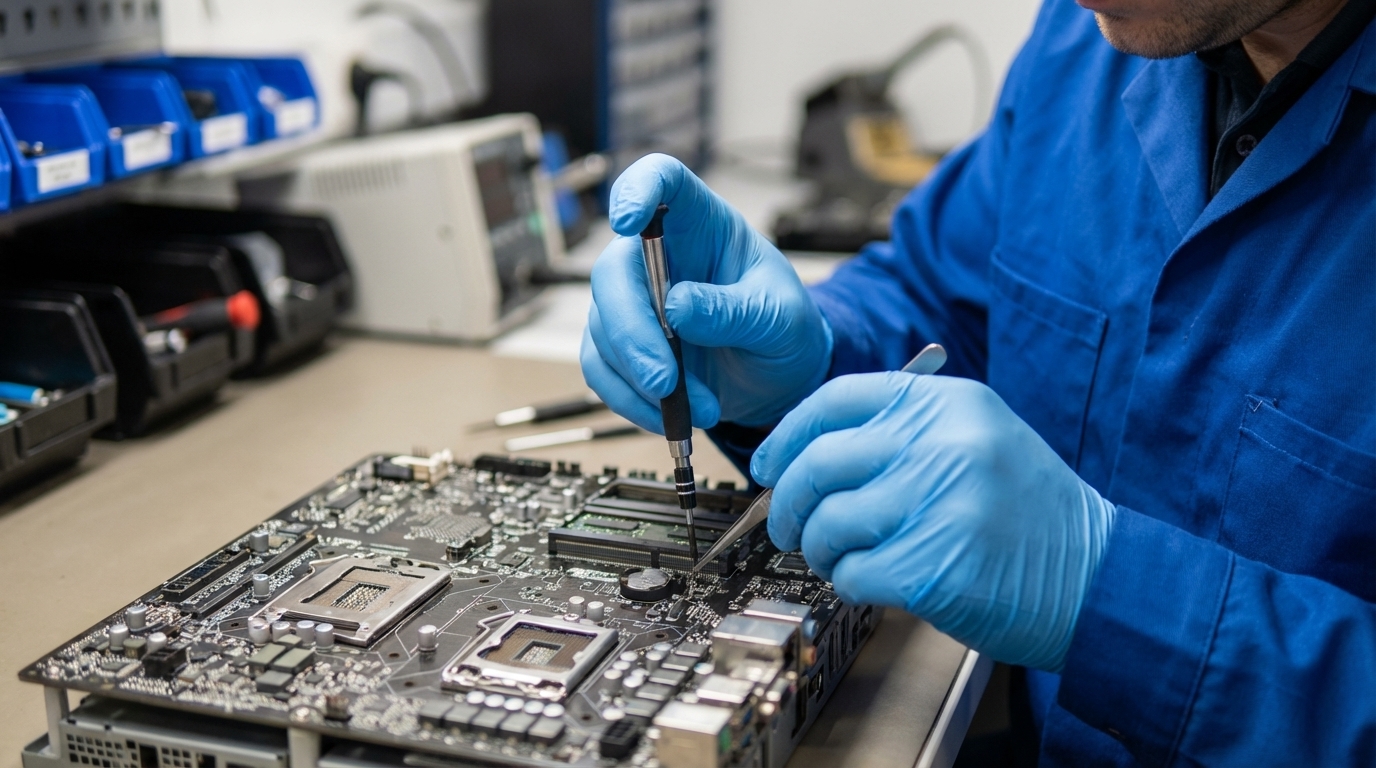
Consumer electronics and IT equipment generate substantial reverse logistics activity due to product complexity, defects, and rapid obsolescence, with return rates often falling in the 5 to 15 percent range. OEM laptop and smartphone RMAs require specialized handling for secure data erasure and component-level recovery. Key challenges include strict data security, detailed triage, and compliance with e-waste regulations across multiple regions. Leading providers such as Premier Logitech support ASC-authorized L1 through L4 repairs for more than 20 OEMs and maintain capacity for over 40,000 repairs each week, which allows consistent turnaround even during demand spikes.
While electronics center on data security and component-level work, the next sector applies reverse logistics at a larger physical scale.
3. Automotive Remanufacturing and Core Returns
The automotive sector holds a significant share of the reverse logistics market by focusing on remanufacturing and core return programs. This focus turns warranty returns and parts recovery into structured cost-saving opportunities. Remanufactured components reduce material and production expenses while extending the life of high-value assets. These savings depend on robust infrastructure for metal recovery from end-of-life vehicles and coordinated spare parts redistribution across dealer and service networks. As a result, reverse logistics in automotive directly supports profitability, sustainability targets, and aftermarket service performance.
4. Pharmaceuticals and Healthcare Compliance Returns
Healthcare and pharmaceutical organizations depend on reverse logistics to manage compliance-driven returns and recalls. Strict regulations govern how expired medications, temperature-sensitive products, and medical devices move back through the supply chain. Each return requires accurate documentation, chain-of-custody controls, and often specialized handling or destruction. Centralized programs help reduce risk, protect patients, and control write-offs by separating items that can be reintroduced from those that require certified disposal. See how compliant processing and secure disposal capabilities can support your healthcare operations and reduce regulatory exposure.
After compliance-heavy healthcare flows, telecommunications presents a different profile centered on service continuity and device lifecycle management.
5. Telecommunications Warranty and IoT Device Flows
Telecommunications providers face growing reverse logistics volumes from warranty service level agreements and expanding IoT device returns. Wearables, routers, gateways, and smart home devices must move quickly through testing, repair, or replacement to keep subscribers connected. Service contracts often require rapid turnaround, which places pressure on depot operations and inventory planning. Security concerns around high-value electronics add another layer of complexity, since returned equipment can contain sensitive customer data or network configurations that must be protected.
6. Manufacturing Warranty and Excess Inventory Programs
Manufacturing organizations rely on reverse logistics to manage warranty claims, defective parts, and excess inventory across plants and distribution centers. Defective returns represent a significant share of activity and can tie up capital if not processed quickly. Rather than discarding these items, component recovery and remanufacturing programs extract usable materials and subassemblies from returned goods. This approach lowers material costs, supports continuity of supply, and improves sustainability metrics by reducing waste and raw material consumption.
7. Apparel and Fashion Fit-Driven Returns
Fashion and apparel brands experience some of the highest return rates in commerce, with around 25 percent of online orders coming back due to fit and style issues. Seasonal product cycles and fast-changing trends further increase the volume of unsold or lightly used items. Consumer bracketing, where shoppers order multiple sizes or colors with the intent to keep only a few, adds additional strain on warehouses and inventory systems. Strong reverse logistics programs in this sector rely on rapid inspection, grading, and routing to outlet, resale, or recommerce channels to recover as much value as possible.
These seven industries do not operate in isolation, because each one responds to the same broad forces reshaping reverse logistics in 2026.
2026 Reverse Logistics Trends Across Industries
Sustainability initiatives shape nearly every major reverse logistics decision in 2026, with circular supply chains becoming mandatory in sectors such as technology, automotive, and fashion. Extended Producer Responsibility regulations push manufacturers to manage products from launch through end of life, including collection, refurbishment, and recycling. AI-driven platforms improve visibility and decision-making by predicting return volumes, automating routing, and flagging fraud or noncompliance. Telecom and IT see especially strong growth as IoT device counts surge and networks expand. Many companies respond by consolidating vendors and adopting integrated transportation management systems that reduce handoffs, lower costs, and simplify reporting.
Frequently Asked Questions
Why does electronics rely heavily on reverse logistics?
Electronics companies depend on reverse logistics because complex products, rapid innovation cycles, and strict quality expectations create steady return flows. Devices often require secure data wiping, detailed diagnostics, and component-level repair before they can be resold or recycled. E-waste regulations also require responsible handling of batteries, circuit boards, and hazardous materials. Together, these factors make structured reverse logistics programs essential for cost control, compliance, and brand protection.
What are the key 2026 reverse logistics trends?
Key 2026 trends center on sustainability, circular economy models, and regulatory pressure on producers. Extended Producer Responsibility rules require manufacturers to plan for collection, refurbishment, and recycling at the design stage. AI and IoT tools enable predictive analytics, real-time tracking, and automated decisioning, which reduce manual work and processing costs. Refurbishment and remanufacturing programs expand as companies seek to recover more value from returned products while meeting environmental and reporting requirements.
How should companies choose a reverse logistics partner?
Companies should select reverse logistics partners that hold appropriate authorizations, offer scalable capacity, and comply with industry-specific standards such as NIST and CMMC. Strong partners demonstrate proven capabilities in secure data destruction, consistent turnaround times, and detailed performance reporting. The scale and authorization breadth described earlier illustrate the level of capability needed to support complex, multi-industry reverse logistics operations.
Which industries benefit most from reverse logistics optimization?
Technology, IT, and telecommunications sectors gain the largest financial and operational benefits from well-structured reverse logistics programs. These industries handle high-value assets, rapid product refresh cycles, and strict compliance requirements, which create strong incentives to recover components and materials. Mature programs can recover a much higher share of original product value compared with reactive approaches, especially when supported by authorized repair networks and secure refurbishment capabilities.
What drives reverse logistics growth in telecom?
Telecommunications reverse logistics growth comes from strict warranty SLAs that require fast device replacement and repair. Expanding IoT deployments introduce large numbers of connected devices with varying lifespans and failure patterns. 5G rollouts add additional equipment returns as networks evolve and hardware generations change. Security requirements for network equipment and customer devices also drive the need for specialized handling, secure data processes, and traceable workflows throughout the reverse logistics lifecycle.
Conclusion
The seven industries most reliant on reverse logistics programs, including retail, consumer electronics, automotive, healthcare, telecommunications, manufacturing, and apparel, account for the majority of global reverse logistics activity. Technology, IT, and telecom sectors present especially strong opportunities for value recovery and cost reduction due to complex requirements and high asset values. Organizations in these markets benefit from partners that combine comprehensive capabilities, regulatory expertise, and proven scale. Contact Premier today for a customized reverse logistics assessment and learn how established authorizations and documented client savings can strengthen your operations.
