
Key Takeaways
- Enterprise e-waste recycling requires R2v3, NAID AAA, and NIST 800-88 compliance to meet 2026 ESG mandates and secure data destruction standards.
- Key provider selection criteria include end-to-end ITAD, multi-site logistics, scalability, real-time visibility, and asset recovery programs.
- Secure ITAD best practices involve serialized tracking, chain-of-custody documentation, and zero-landfill policies for regulatory adherence.
- E-waste programs deliver ROI through asset refurbishment, compliance cost savings, and enhanced ESG reporting for investor appeal.
- Partner with Premier Logitech for certified, nationwide IT lifecycle management and compliant enterprise e-waste solutions.
Enterprise E-Waste Recycling Needs in 2026
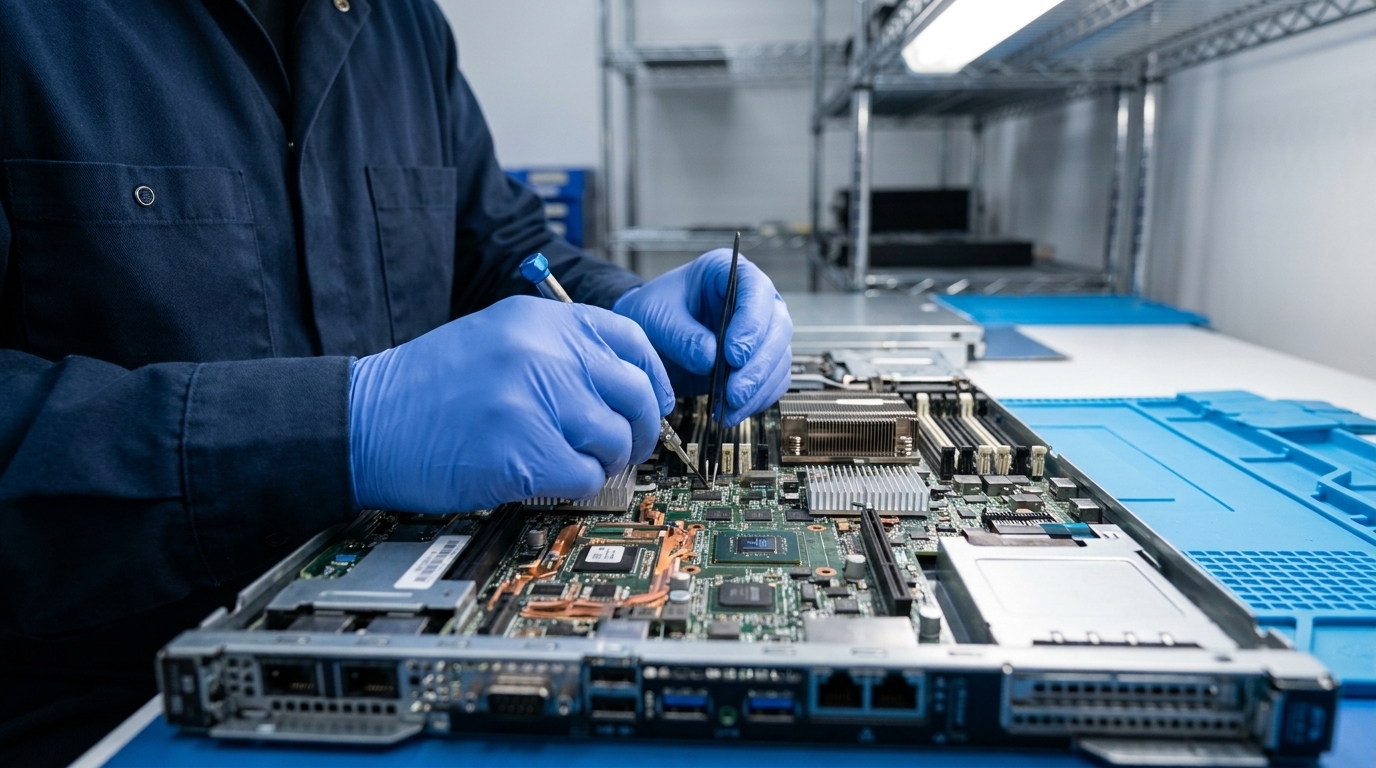
Enterprise e-waste covers complex IT hardware, telecom equipment, servers, networking devices, and industrial electronics that require specialized handling protocols. Core components of enterprise e-waste recycling services include secure collection logistics, NIST-compliant data wiping, systematic dismantling, responsible material recovery, and comprehensive ESG reporting capabilities.
The 2026 landscape reflects accelerated trends driven by AI-powered tracking systems, post-R2v3 ESG requirements, and surging IT and telecom equipment volumes. The IT and telecommunication segment is expected to experience notable growth, creating unprecedented demand for scalable enterprise solutions.
To meet this demand while satisfying new ESG requirements, enterprises need providers with capabilities that go beyond basic recycling. Essential enterprise e-waste recycling capabilities include:
- Certified data destruction with NIST 800-88 compliance
- Nationwide pickup and reverse logistics coordination
- Scalable multi-site collection and processing
- Real-time tracking and ESG metrics reporting
- Asset recovery and refurbishment programs
- Chain-of-custody documentation and audit trails
- Transportation management system (TMS) visibility
Premier Logitech’s DFW hub and nearshore operations provide the operational efficiency and scalability required for enterprise-grade e-waste programs. The team combines full IT lifecycle coverage from deployment through retirement with secure data destruction and high-yield asset recovery capabilities.
Certifications That Protect Enterprise Data and ESG Goals
Certifications validate that an enterprise e-waste recycling provider follows strict standards for compliance, security, and environmental performance. R2v3 certification establishes rigorous standards for downstream accountability, while additional frameworks provide broader coverage across safety, quality, and data protection.
Key certifications include:
- R2v3: Responsible recycling standard with downstream vendor accountability. Supports zero-landfill practices and data security for ESG compliance.
- e-Stewards: Basel Action Network certification prohibiting hazardous exports. Prevents toxic waste shipment to developing countries.
- NAID AAA: Highest standard for information destruction services. Provides secure data destruction with audit verification.
- ISO 14001/45001/9001: Environmental, safety, and quality management systems. Demonstrates disciplined operations and risk management.
- TAA/NIST/CMMC/SOC 2: Government and enterprise security compliance frameworks. Enables secure handling of sensitive government and corporate data.
Premier Logitech’s CAGE-approved status and comprehensive certification portfolio position the company as a trusted partner for government agencies and enterprises that require strict security and compliance. Red flags include providers lacking NAID AAA certification or missing government-approved credentials for sensitive data handling.
Seven-Criteria Framework for Choosing Enterprise E-Waste Providers
Selecting scalable enterprise e-waste recycling providers works best with a clear evaluation framework that covers operations, compliance, and strategic fit. Use this seven-criteria assessment framework to evaluate potential providers against the capabilities outlined earlier.
- End-to-End Lifecycle Management: Does the provider offer integrated services from procurement through final disposition, reducing vendor fragmentation and handoff risk?
- Secure Multi-Site Logistics: Can the provider support nationwide collection with GPS tracking, chain-of-custody controls, and coordinated pickup scheduling across all enterprise locations?
- Operational Scalability: Can the operation absorb volume spikes, rapid deployment needs, and enterprise-grade processing without delays or service degradation?
- Real-Time Visibility: Does the transportation management system deliver live tracking, inventory visibility, and automated reporting that match your audit and ESG reporting needs?
- Asset Recovery Programs: Can the provider refurbish, repair, and remarket equipment to maximize recovered value and support circular economy initiatives?
- ESG Focus: Does the partner supply detailed sustainability reporting, carbon impact data, and alignment with your corporate environmental targets?
- US Operations and Compliance: Does the provider maintain domestic processing, government certifications, and adherence to federal security requirements for sensitive data?
Premier Logitech addresses these criteria through integrated capabilities. Single-source procurement-to-ITAD coverage supports full lifecycle control, while Authorized Service Center (ASC) status for multiple OEMs and strategic DFW positioning enable multi-site logistics and rapid scaling. Advanced parts reclamation and remarketing programs strengthen asset recovery performance and ESG outcomes.
Critical red flags include fragmented vendor relationships that require constant coordination, absence of government certifications for sensitive data handling, and limited geographic coverage that cannot support multi-site enterprise operations. Schedule a consultation with Premier Logitech to compare your current e-waste program against these criteria.
Secure ITAD and Data Destruction Practices That Work
Secure ITAD and data destruction programs protect sensitive information while supporting regulatory compliance and ESG reporting. NIST 800-88 defines three sanitization levels: Clear, Purge, and Destroy, and each level fits specific risk profiles and reuse scenarios.
Essential secure ITAD practices work together as a single control system and include:
- Serialized asset tracking from collection through final disposition, tying every device to a verifiable record
- NIST 800-88 compliant data wiping with documented verification steps and certificates
- Chain-of-custody documentation that supports internal and external audits
- NAID AAA certified destruction processes and facilities for high-risk media
- Zero-landfill disposal policies that align with corporate sustainability commitments
- Comprehensive ESG reporting with quantified environmental impact and diversion metrics
- Real-time visibility through transportation management systems for in-transit oversight
- Secure transportation with GPS monitoring and tamper-evident containers for high-value or sensitive loads
Premier Logitech’s secure data destruction programs layer these controls with certified personnel training and detailed documentation. This integrated approach keeps data destruction, asset recovery, and environmental compliance aligned within a single managed workflow.
Building ROI into Enterprise E-Waste Programs
Enterprise e-waste recycling programs create measurable ROI through asset recovery, compliance cost avoidance, and ESG performance that influences investors and customers. Investors and customers are tying business decisions to enterprises’ ESG goals, so documented e-waste programs now support competitive positioning.
Value creation opportunities include refurbishment and resale of functional equipment, recovery of precious metals and rare earth elements, and compliance cost savings supported by strong documentation. Enhanced ESG scoring strengthens investor relations and customer acquisition, while extended equipment lifecycles through repair and refurbishment reduce procurement spend and support circular economy strategies.
Premier Logitech’s data-driven approach increases asset recovery value through advanced grading systems, OEM-authorized repair capabilities, and targeted remarketing partnerships. Comprehensive reporting delivers clear ROI metrics that support enterprise sustainability goals and stakeholder communications.
Putting It All Together for 2026 Compliance
Enterprise e-waste recycling services require careful provider selection using a structured evaluation framework that covers certifications, operational capabilities, and alignment with corporate sustainability goals. The seven-criteria selection process, compliance verification checklist, and best practices in this guide equip decision-makers to navigate the complex 2026 regulatory landscape.
This updated framework for the post-R2v3 era highlights integrated lifecycle management, secure data destruction, and measurable ESG outcomes. Organizations benefit from thorough gap assessments and disciplined provider vetting that confirm compliance with evolving regulations while increasing asset recovery value.
Talk to a lifecycle expert at Premier Logitech today to build an enterprise e-waste recycling strategy that fits your organization’s compliance, security, and sustainability requirements.
Frequently Asked Questions
What are R2 certified recycling services and why are they important for enterprises?
R2 certified recycling services follow the Responsible Recycling standard developed by Sustainable Electronics Recycling International (SERI), which establishes rigorous requirements for environmental responsibility, worker safety, data security, and downstream vendor accountability. For enterprises, R2v3 certification ensures that e-waste is processed through verified responsible channels, preventing toxic materials from reaching landfills or being exported to developing countries. The certification requires comprehensive documentation, regular audits, and adherence to strict environmental and safety protocols that support corporate ESG goals and regulatory compliance.
How does ITAD differ for enterprise versus consumer electronics recycling?
Enterprise ITAD involves more complex requirements than consumer electronics recycling, including handling of sensitive corporate and government data, compliance with federal security standards like NIST and CMMC, coordination across multiple sites and business units, and integration with corporate asset management systems. Enterprise ITAD providers must offer scalable logistics, certified data destruction with detailed audit trails, asset recovery programs that maximize value from high-end equipment, and comprehensive reporting that supports ESG and compliance requirements. The volume, sensitivity, and regulatory requirements of enterprise electronics demand specialized expertise and infrastructure that consumer-focused recyclers typically cannot provide.
What compliance requirements apply to government e-waste recycling programs?
Government e-waste recycling programs must comply with stringent federal requirements including Trade Agreements Act (TAA) compliance for procurement, NIST 800-88 standards for data sanitization, CMMC requirements for defense contractors, and safeguards for Federal Tax Information under IRS Publication 1075. Providers must hold appropriate government certifications such as CAGE codes, maintain security clearances where required, and demonstrate compliance with federal environmental and safety regulations. Chain-of-custody documentation, witnessed destruction protocols, and detailed reporting are mandatory for government programs, with violations potentially resulting in contract termination and legal liability.
What is NIST 800-88 and how does it impact enterprise data destruction?
NIST Special Publication 800-88 provides comprehensive guidelines for media sanitization. For enterprises, NIST 800-88 compliance is essential for regulatory adherence across industries including healthcare (HIPAA), financial services (GLBA), and government contracting. The standard requires detailed documentation, verification procedures, and certificates of destruction that provide legal protection during audits and demonstrate due diligence in protecting sensitive information.
How do enterprises measure ROI from e-waste recycling programs?
Enterprise e-waste recycling ROI measurement spans several value streams including direct asset recovery revenue from refurbished equipment sales, cost avoidance through compliance with environmental regulations, reduced procurement costs through extended equipment lifecycles, and enhanced ESG scoring that supports investor relations and customer acquisition. Quantifiable metrics include percentage of equipment refurbished versus recycled, revenue per pound of recovered materials, compliance cost savings, and carbon footprint reduction. Leading enterprises track these metrics through comprehensive reporting systems that show both financial returns and environmental impact, supporting corporate sustainability goals and stakeholder communications while revealing improvement opportunities for future programs.