Key takeaways for 2026 returns processing
- Electronics returns in 2026 carry higher processing costs than general ecommerce because technical inspections and compliance steps increase labor and handling time.
- Only 48% of returned products resell at full price, which compresses margins and strains IT, telecom and OEM operations.
- Core challenges include vendor sprawl, fragmented workflows, scalability limits and strict data security and e-waste regulations.
- Integrated reverse logistics with single-vendor services such as RMA management, depot repairs and asset recovery lowers costs through scale and clear visibility.
- Premier Logitech supports 20+ OEMs with a certified compliance framework; connect with the lifecycle team to benchmark current returns costs.
What drives 2026 returns processing costs
Returns processing costs in 2026 reflect every step required to move a product from arrival to final disposition. For ecommerce retailers, true cost per return includes receiving, inspection, testing, repackaging, storage, transportation and asset recovery. These operational components vary by industry and product type, which creates wide cost differences across categories.
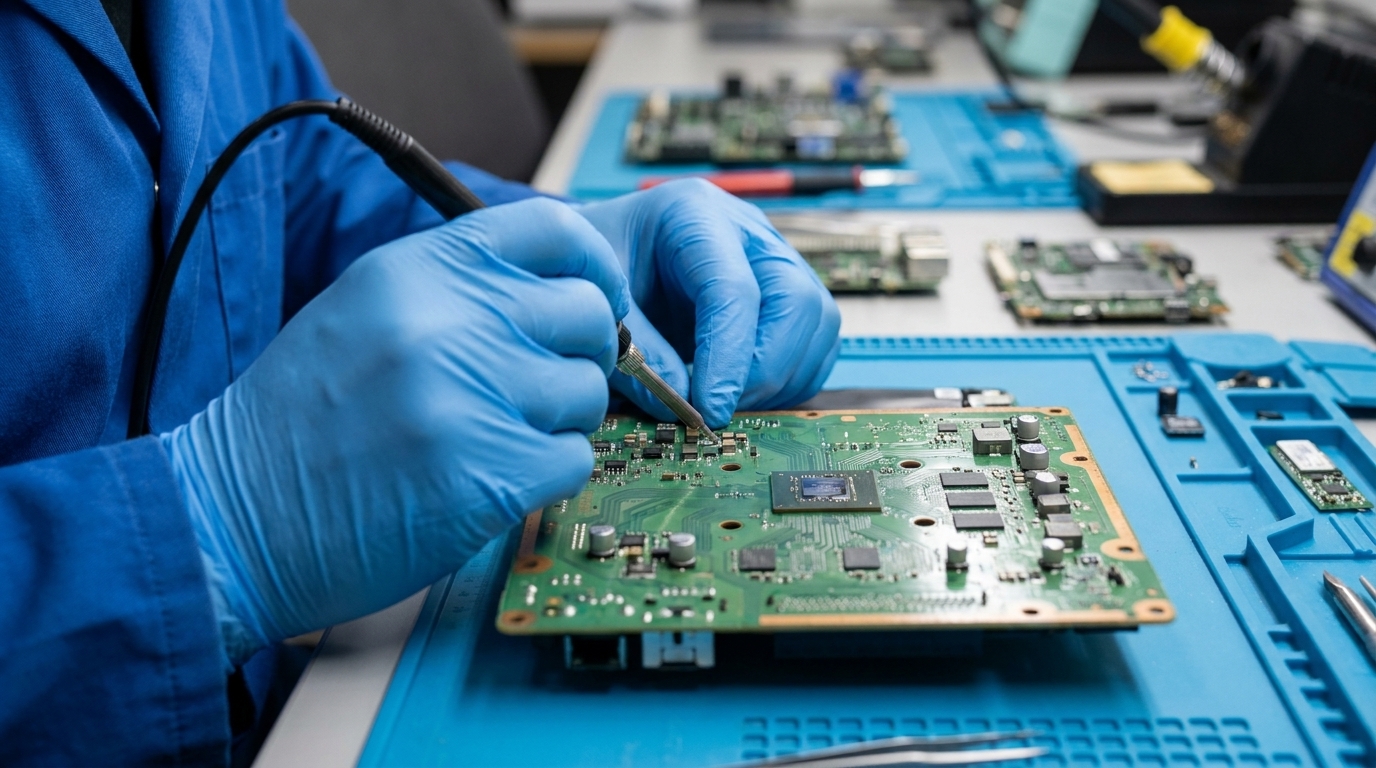
Electronics processing costs rise because each unit often requires technical inspection, battery testing and specialized repackaging. Organizations that manage reverse logistics in-house also absorb planning, staffing and systems costs. Hidden expenses include data security compliance, certified e-waste disposal and the lost revenue from inventory that sits in returns workflows instead of active sales channels. Get a detailed cost analysis from the lifecycle team to uncover hidden expenses in current returns operations.
Industry benchmarks and how return rates affect cost
Return rates directly shape total processing costs because volume interacts with fixed and variable expenses. Higher volumes spread fixed costs across more units, while lower volumes with complex handling concentrate costs on fewer items. Ecommerce averages 20.4% returns across categories, which creates high volume but relatively straightforward processing for many products.
Apparel reaches about 24% returns because fit, style and preference drive frequent exchanges. IT and telecom sectors see lower return percentages but face more complex workflows. Technical troubleshooting, configuration checks and regulatory requirements increase per-item costs and offset the volume advantage.
Electronics return rates in the high single digits still create significant cost pressure once technical inspection and testing enter the process. OEM manufacturers manage warranty claims, authorized service center compliance and asset recovery programs that add layers of coordination. Moderate return volumes combined with high per-item costs create sustained operational and financial strain for technology companies.
Return fraud accounts for 15.1% of all returns and adds investigation and verification steps to each affected transaction. Fraud screening, documentation review and exception handling increase labor time. Organizations balance fraud prevention with efficient workflows to keep returns processing cost-effective.
Core challenges that increase returns processing costs
Clarity on what processing fees cover helps explain why costs rise. A return processing fee reflects the full cost to receive, inspect, process and disposition returned products. These fees include reverse logistics, labor, technology systems, compliance checks and asset recovery activities. Many merchants charge return fees to offset these growing expenses.
Operational complexity across returns networks drives costs higher. Fragmented workflows that span multiple vendors create handoffs, delays and visibility gaps. Limited scalability during peak seasons forces overtime, rush shipping and temporary labor, which raises per-item costs. Compliance with data security rules, environmental regulations and OEM warranty terms adds documentation and verification steps to each return.
Vendor sprawl across returns management, repair, refurbishment and recycling introduces coordination overhead that erodes economies of scale. Each provider maintains separate systems, processes and reporting, which complicates planning. Limited end-to-end visibility into return status, repair progress and asset recovery outcomes makes it harder to improve performance. These challenges stack on top of direct processing costs and reduce overall program effectiveness.
Integrated strategies that reduce returns processing costs
Addressing these challenges requires a shift from fragmented, multi-vendor models to integrated reverse logistics under unified management. Integrated operations consolidate RMA management, depot repair, rapid exchange, refurbishment and recycling into a single coordinated lifecycle. Premier Logitech structures services around this integrated approach to reduce cost and complexity.
Premier Logitech began operations in 2007 and now serves as an authorized service center for more than 20 OEM brands. The company delivers certified repair and warranty services that maintain manufacturer compliance while controlling processing costs. Facilities in the Dallas-Fort Worth region and nearshore operations in Mexico support scalable processing for regional and national programs.
Integrated operations cut vendor coordination overhead and provide real-time visibility across the returns lifecycle, which supports faster decisions and targeted cost reduction. This operational base sits on a compliance framework that meets government and enterprise security expectations. A CAGE code of 4WAJ9 supports direct federal contracting for public sector organizations that require secure and compliant partners.
Single-vendor consolidation reduces administrative workload, simplifies communication and enables stronger economies of scale. Rapid exchange programs limit customer downtime and route products into efficient repair workflows. Asset recovery and remarketing services capture residual value from returned products through certified refurbishment and secondary market channels. Schedule a consultation to design a reverse logistics program that aligns with processing volume and compliance needs.
Operational proof points and compliance framework
Premier Logitech’s operational capabilities and compliance framework create a foundation for cost-effective returns processing at enterprise scale. The company’s certifications cover government contracting eligibility, quality management, security controls and data protection. This framework supports technology, telecom and public sector clients that require strict oversight.
Proximity to major transportation networks through the DFW logistics hub, combined with nearshore Mexico operations, enables fast turnaround and cost-effective processing. The blend of operational scale, compliance coverage and OEM relationships forms a comprehensive platform for reducing returns processing costs while maintaining quality and security standards.
Frequently asked questions
What is the average product returns processing cost in 2026?
Average returns processing costs in 2026 vary across general ecommerce, electronics and IT hardware. Electronics and IT hardware carry higher per-item costs because each unit often requires technical inspection, testing and compliance checks. Comprehensive processing includes receiving, inspection, testing, repackaging, storage, transportation and asset recovery. Product complexity and return volume together determine the final cost per item.
How do IT and OEM returns differ from general ecommerce returns?
IT and OEM returns involve specialized technical inspection, configuration checks, compliance verification and strict data security protocols. Authorized repair capabilities and access to approved parts support higher asset recovery rates through certified refurbishment and secondary channels. OEM warranty rules and authorized service center standards add complexity but also provide structured processes and manufacturer support.
What reverse logistics services can reduce processing costs?
Integrated RMA management, depot repair, rapid exchange programs, certified refurbishment and asset recovery services reduce costs by consolidating operations. Single-vendor solutions remove coordination overhead, improve communication and provide real-time visibility across the returns lifecycle. This structure supports consistent workflows and more predictable processing costs.
Does Premier Logitech handle compliance requirements?
Premier Logitech maintains a compliance framework that supports government and enterprise requirements across security, quality and environmental management. The company’s CAGE code of 4WAJ9 enables direct federal contracting. Authorized service center designations with more than 20 OEMs support manufacturer compliance for warranty and repair programs.
What is a good average customer return rate?
As outlined in the benchmarks above, electronics and IT hardware maintain lower return rates than general ecommerce, while apparel sits higher than the ecommerce average. Lower return rates combined with effective processing strategies help offset higher per-item processing costs in technology sectors.
Conclusion: building cost-effective returns operations
Returns processing costs create ongoing operational and financial pressure for organizations that manage high return volumes or complex products. Strategic reverse logistics partnerships that consolidate operations, strengthen compliance and improve asset recovery can reduce this burden. Premier Logitech supports these goals through integrated lifecycle services, certified operations and OEM relationships. Connect with the Premier Logitech team to benchmark current returns costs and build a roadmap for reducing processing expenses over time.
