Key Takeaways
-
Sixty-eight percent of consumer electronics returns are No Fault Found (NFF), so efficient triage and processing protect margins.
-
AI-driven automation for intake, sorting and predictive analytics improves returns routing accuracy and shortens processing times.
-
Twenty-four-hour inspection protocols with standardized grading, fraud detection and NIST/CMMC data security compliance reduce risk.
-
Multi-level repairs (L1-L4), rapid exchanges and structured asset recovery programs increase value through refurbishment and secondary markets.
-
Premier Logitech provides end-to-end lifecycle support with ASC-authorized repairs and scalable reverse logistics for enterprise IT and telecom.
Returns Management in Enterprise IT and Telecom
Returns management is the reverse logistics process that handles high-volume product returns from RMA intake through final disposition to recover value across the supply chain. The process follows five sequential stages that form the foundation of effective reverse logistics:
-
RMA intake and triage
-
Inspection and sorting
-
Repair and refurbishment (L1-L4)
-
Disposition (resale, recycle)
-
Analytics for prevention
These five core elements create the structure for returns programs, and operational best practices strengthen performance at each stage.
10 Best Practices for Product Returns Processing
1. Establish Clear RMA Policies and Self-Service Portals
Clear, documented return policies set expectations for eligibility, timelines, condition requirements and exception paths. Policies align with operational capacity so teams can meet commitments and maintain compliance. Self-service portals allow customers to initiate returns, upload documentation and track status without manual intervention. Many organizations now rely on these portals to reduce support volume and improve data quality at intake.
2. Automate Intake and Triage with AI Sorting
AI-driven rules engines route returns based on product type, condition, warranty status and customer history. These automated decision trees accelerate triage for tech products such as networking equipment, mobile devices and enterprise hardware. Automation reduces manual sorting time, improves routing accuracy and supports consistent application of warranty and policy rules.
3. Implement 24-Hour Inspection and Grading Protocols
Reverse warehouses use a quarantine zone for items pending inspection, which supports consistent handling by isolating returns until processing begins. Standardized inspection procedures include serial verification, functional testing, cosmetic grading and fraud detection within 24 hours of receipt. This structure enables fast disposition decisions and reliable grading for resale, repair or recycling.
4. Prioritize Scalable Depot Repair (L1-L4) and Rapid Exchange
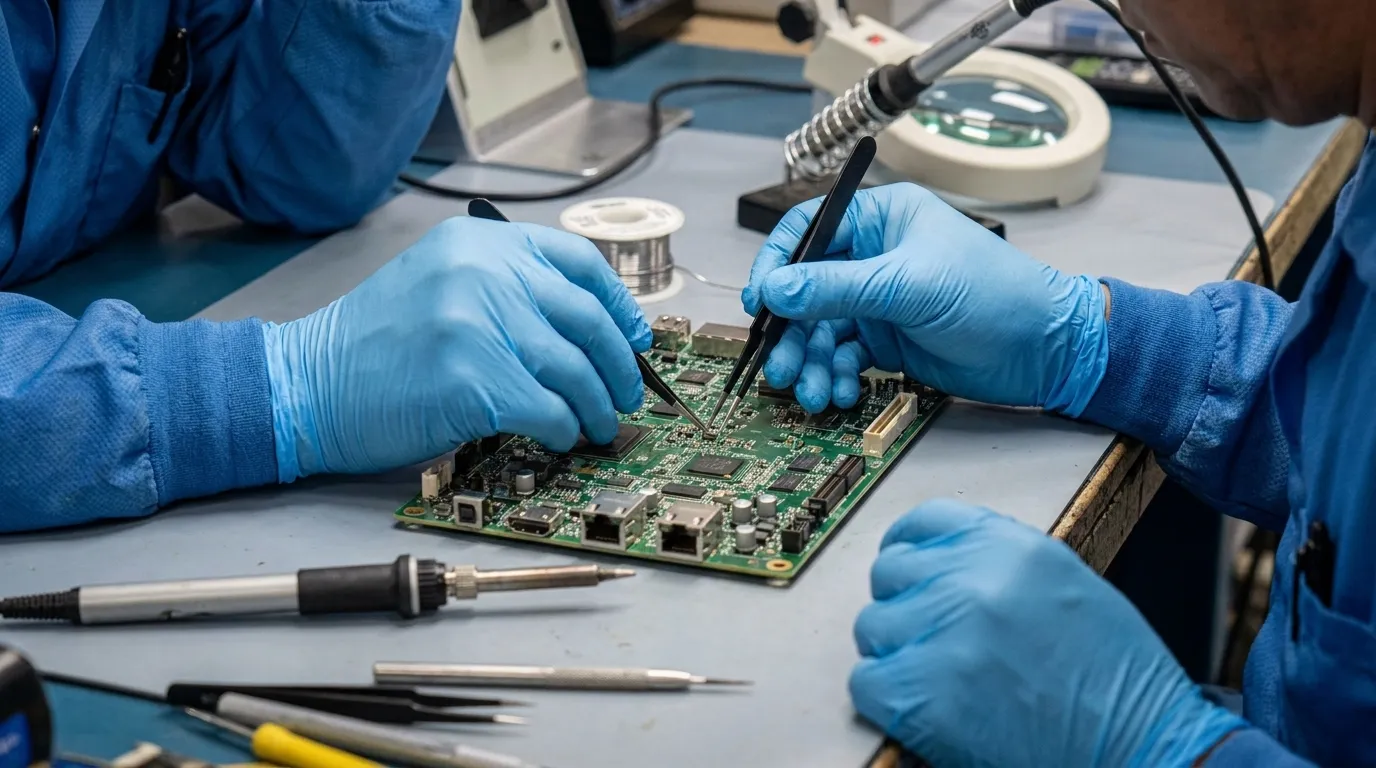
Multi-level repair capabilities support a wide range of failure types, from basic cleaning and testing at L1 to component-level board repair at L4. Rapid exchange programs provide replacement units while returned devices move through repair workflows. These programs maintain customer satisfaction and keep critical infrastructure online while controlling total lifecycle cost.
5. Ensure Compliance and Secure Data Destruction (NIST/CMMC/TAA)
Certified data destruction protocols that meet NIST 800-88 guidelines and CMMC requirements protect sensitive information for government and enterprise customers. A structured disposition decision matrix factors in condition, demand, margin, compliance and speed so data-bearing devices follow appropriate security and environmental paths. Chain-of-custody documentation and certificates of data destruction support audits and regulatory reviews.
6. Improve Reverse Transportation with TMS and Nearshore Operations
Transportation management systems (TMS) with carrier integrations generate compliant shipping labels, schedule pickups and track return events. These platforms improve visibility and support chain-of-custody requirements across the return journey. The same TMS capabilities enable dynamic routing that sends items to the nearest processing node or specialist facility, which minimizes unnecessary moves and reduces risk of data exposure or non-compliant handling during transit.
7. Use Analytics for Root-Cause Prevention and Visibility
Analytics dashboards track return reasons, failure patterns and warranty trends to identify product quality issues. These insights feed predictive models that forecast return volumes and support inventory planning. Over time, analytics highlight design, packaging and documentation changes that reduce avoidable returns and improve customer experience.
8. Maximize Asset Recovery via Refurbishment and Secondary Markets
DRAM and NAND prices rise due to AI-driven demand, which increases the value of recovered memory modules and components from returned IT hardware. This price environment makes refurbishment and component harvesting more attractive for enterprise programs. Processing returned electronics for refurbishment and B-stock inventory readiness soon after arrival captures resale value before market depreciation reduces margins.
9. Reduce E-Waste with Responsible Recycling Programs
Certified recycling partnerships handle end-of-life electronics according to environmental regulations and corporate sustainability goals. Material recovery programs extract valuable metals and components for reuse in manufacturing, which supports environmental compliance and offsets some program costs. These practices reduce landfill volume and align returns management with broader ESG commitments.
10. Consolidate with a Single End-to-End Lifecycle Partner
Integrated reverse logistics, repair and asset recovery services under one contract simplify operations and reduce coordination overhead. Premier Logitech provides scalable operations with ASC authorizations for more than 20 OEM brands, NIST and CMMC compliance and nearshore facilities that reduce costs while maintaining security standards. Organizations can explore consolidated reverse logistics strategies by consulting Premier Logitech lifecycle specialists.
Step-by-Step Return Handling Process Checklist
Successful returns processing follows these sequential steps, which expand the five core elements into actionable operational phases that guide daily workflow:
-
RMA Authorization: Validate return eligibility, generate an RMA number and provide clear return instructions.
-
Intake and Quarantine: Receive the shipment, scan serial numbers and place units in the quarantine zone.
-
Inspection and Grading: Conduct functional tests, document condition and verify authenticity before routing.
-
Disposition Decision: Route items to repair, refurbishment, liquidation or recycling based on a defined condition matrix.
-
Processing and Testing: Complete repairs, perform quality assurance checks and assign final grades.
-
Inventory and Shipping: Update inventory systems, then package units for resale or return to the customer.
-
Analytics and Reporting: Capture data for trend analysis, compliance reporting and cost management.
These seven steps address the operational mechanics of returns handling and create a consistent framework for teams and partners.
Common Challenges and IT-Specific Solutions
The 10 best practices above address common challenges in enterprise IT returns, including complex warranty matrices, data security requirements and high-value component recovery. Organizations that lack structured programs often manage fragmented vendor relationships across repair, fulfillment and recycling, which creates visibility gaps and compliance risk. Integrated operations that combine authorized repair, secure data destruction and flexible processing capacity address these challenges without multiple vendor contracts. Organizations facing these issues can discuss tailored solutions with Premier Logitech lifecycle specialists.
Frequently Asked Questions
What are typical turnaround times for enterprise IT returns processing?
Enterprise IT returns programs use short lead times for inspection and grading, often completing initial assessment within 24 to 48 hours. Depot repairs take longer based on component availability and repair complexity, so timelines vary by product family. Rapid exchange programs provide replacements while units undergo processing, which protects uptime for critical systems. Overall turnaround times depend on product complexity, certifications, data destruction protocols and repair authorization levels, and specialized equipment can require processing windows that extend from days to weeks.
How do organizations ensure NIST compliance in returns processing?
NIST compliance in returns processing relies on documented data destruction procedures that follow NIST 800-88 guidelines, certified personnel training, secure chain-of-custody protocols and audit-ready documentation. Organizations implement physical security controls, access management and data sanitization verification across all facilities that handle returns. Compliance also involves regular audits, incident response procedures and alignment with broader cybersecurity frameworks such as CMMC for government contractors.
What metrics define successful returns management programs?
Key performance indicators for returns management include processing cycle time, first-pass fix rates, asset recovery value and customer satisfaction scores. Additional metrics include return rate reduction, compliance audit results, cost per return processed and inventory accuracy. Programs also track fraud detection rates, warranty claim accuracy and environmental impact through recycling and material recovery metrics.
How can organizations reduce No Fault Found returns in electronics?
Reducing NFF returns starts with improved customer education, clear product documentation, proactive technical support and effective diagnostic tools. Organizations deploy self-service troubleshooting portals, detailed setup guides and remote diagnostic capabilities to resolve issues before products ship back. Analytics highlight common NFF patterns that product, packaging and support teams can address through design changes and communication updates.
What role does AI play in modern returns processing?
AI enhances returns processing through automated routing decisions, predictive analytics for return volume forecasting, image recognition for condition assessment and fraud detection algorithms. Machine learning models analyze historical data to support disposition decisions, predict repair success rates and identify quality issues earlier in the lifecycle. AI-powered chatbots handle routine customer inquiries, while natural language processing extracts insights from return reason codes and customer feedback.
Conclusion
These 10 best practices help IT and telecom organizations transform reverse logistics from a cost center into a value recovery engine. Effective returns management uses systematic approaches that balance speed, compliance and asset recovery while supporting customer satisfaction. Organizations can enhance returns processing performance by contacting Premier Logitech for scalable reverse logistics solutions and lifecycle expertise.
