Key Takeaways for IT Reverse Logistics Warehouses
-
Reverse logistics warehouse management centers on inbound IT asset returns through structured workflows that cover inspection, repair, refurbishment and recycling.
-
AI-powered grading systems and WMS integration automate condition assessment, disposition routing and real-time inventory tracking to increase processing speed and accuracy.
-
IT-specific requirements such as secure data wiping, CMMC compliance and the DOJ Data Security Program demand certified protocols and specialized handling.
-
Key metrics for success include return processing time, asset recovery rates and cost per return, which improve through strategic vendor consolidation.
-
Partner with Premier Logitech reverse logistics specialists for ASC-authorized repairs, NIST and CMMC compliance and efficient IT asset return programs.
How Reverse Logistics Warehouse Management Works for IT Assets
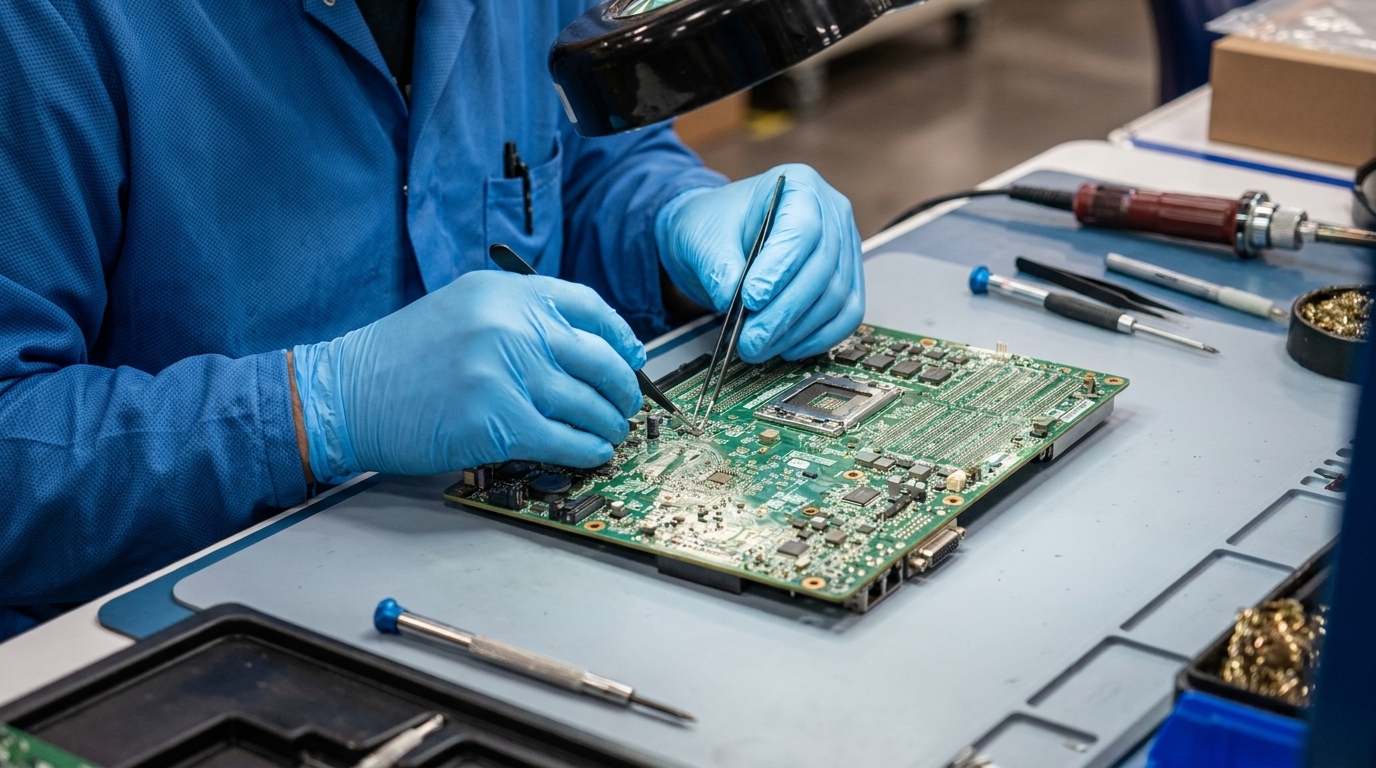
Reverse logistics warehouse management differs from forward logistics and focuses on inbound product flows that require inspection, grading and disposition decisions. Supporting these processes requires core components including RMA intake zones, dedicated receiving areas, inspection stations, repair facilities and segregated storage for different product conditions.
These physical components must accommodate IT-specific challenges such as secure data wiping protocols, OEM compliance requirements and complex warranty validation processes. Defective returns dominate the reverse logistics market, particularly across electronics and consumer goods sectors. Effective reverse logistics warehouses establish clear workflows that separate returned inventory from active stock while preserving complete documentation for every asset movement.
Step-by-Step Strategies for Reverse Logistics Warehouses
Successful warehouse management for reverse logistics follows a structured 7-step workflow that reduces processing time and supports consistent handling across all return types.
1. RMA initiation and tracking through integrated systems
2. Receiving and initial segregation by product type
3. AI-powered inspection and condition grading
4. Repair, refurbishment or parts harvesting
5. Final disposition routing to resale, recycling or disposal
6. Secure data destruction for IT assets
7. Comprehensive reporting and analytics
AI-equipped cameras enhance step three by automating the grading process, inspecting returned items and identifying damage faster than manual inspection through computer vision and image analysis. These systems remove guesswork and sort items into categories such as “good as new” or “broken” with consistent criteria.
Dedicated warehouse zones support this workflow through return receiving areas with specialized docks, well-lit inspection stations with scanning and photography tools, condition-based storage for different product grades and outbound restocking zones. WMS integration then applies predefined business rules to route items automatically and update inventory records in real time.
IT-Specific Reverse Logistics Challenges and Premier Logitech Solutions
Technology returns introduce complex requirements that demand specialized handling protocols and secure processes. Electronics represent a significant portion of the global reverse logistics market, which creates high-volume processing needs and strict compliance expectations. The DOJ Data Security Program took effect on April 8, 2025 and prohibits or restricts countries of concern and covered persons from certain transactions with U.S. persons that provide access to U.S. government-related data or Americans’ bulk sensitive personal data. These requirements mean IT asset processors must maintain strong chain-of-custody controls, document every transfer and rely on certified repair partners.
Premier Logitech addresses these challenges through ASC-authorized L1-L4 repair capabilities across more than 20 OEM brands, which enable warranty-compliant refurbishment and rapid exchange programs that meet OEM requirements.
This repair authorization works alongside certified data destruction protocols that ensure NIST and CMMC compliance while maximizing asset recovery value. Premier Logitech maintains a specialized IT focus that covers initial triage, secure data handling, repair, refurbishment and final disposition within a single coordinated program. This integrated approach reduces vendor fragmentation, simplifies communication and improves operational efficiency across the entire reverse logistics lifecycle.
WMS Integration and Technology Tools for Faster IT Returns
Modern warehouse management systems connect RMA tracking, inventory management and transportation systems to streamline reverse logistics workflows. AI-powered computer vision systems speed up processing through automated condition assessment and objective grading scores that support consistent decisions. WMS platforms provide real-time visibility into return status, apply business rules for automated disposition routing and deliver analytics that highlight trends and process bottlenecks.
Premier Logitech uses an integrated technology stack that supports real-time tracking, modular scalability and seamless connections with existing ERP and OMS platforms. Advanced WMS capabilities manage complex IT workflows such as serial number verification, functional testing protocols and certified refurbishment programs while preserving detailed records for each asset. These technical capabilities operate within strict regulatory frameworks and support secure, compliant handling of sensitive equipment.
Compliance, Security and Sustainability in IT Reverse Logistics
Regulatory compliance plays a central role in IT reverse logistics operations that handle sensitive data and government contracts. The DOJ Data Security Program requires companies to maintain risk-based compliance programs with written policies, vendor verification processes and annual independent audits. CMMC Phase 2, effective November 10, 2026, mandates C3PAO-assessed Level 2 certification requiring all 110 NIST SP 800-171 controls for DoD contractors handling CUI in applicable solicitations and contracts. NIST frameworks provide baseline security expectations for federal agencies and their partners.
Premier Logitech maintains certifications including TAA, ISO 9001/14001, NIST, CMMC and SOC 2 compliance, which support secure handling of government and enterprise IT assets. The reverse logistics grading system incorporates AI-powered inspection while applying strict data security protocols throughout refurbishment and disposition. Talk to a lifecycle expert at Premier Logitech to align reverse logistics operations with current and emerging compliance standards.
Measuring Reverse Logistics Success and ROI
Effective reverse logistics programs track key performance indicators that connect daily operations to financial outcomes. Core measures include reverse logistics cycle time from customer return initiation to product inspection, restocking or write-off, along with return processing time, asset recovery rates, cost per return and disposition accuracy. These metrics show how quickly assets move through the workflow, how much value each return recovers and how efficiently resources are used. A global consumer electronics brand improved return processing time and recovered product value by applying AI-driven tools to grading and routing decisions, which illustrates the impact of data-driven optimization.
Premier Logitech’s vendor consolidation model supports measurable gains in turnaround times, recovery rates and operational visibility by centralizing services under one provider. Comprehensive reporting tools allow clients to compare performance against industry benchmarks and identify specific steps that need refinement. The combination of repair, refurbishment and recycling services within a single program reduces coordination overhead and strengthens accountability for results across the reverse logistics process.
Frequently Asked Questions
What is a reverse logistics workflow example for IT assets?
A typical IT reverse logistics workflow begins with RMA initiation and tracking, followed by receiving and initial segregation. Items then move through AI-powered inspection and condition grading before proceeding to repair or refurbishment when needed. The process concludes with final disposition routing, secure data destruction and comprehensive reporting on outcomes. This 7-step structure supports consistent handling and helps maximize asset recovery value.
How does WMS support IT returns management?
Warehouse management systems support IT returns management through automated RMA tracking, dedicated zone management and real-time inventory updates for returned assets. WMS platforms connect with inspection workflows, apply condition-based routing rules and maintain detailed records for each asset. Advanced systems also use AI-driven disposition engines that evaluate product condition, warranty status and recovery value to select the most effective routing path.
Why should organizations prioritize compliance in tech warehouse operations?
The CMMC Phase 2 requirements mentioned earlier mandate certification for DoD contractors that handle CUI, and the DOJ Data Security Program restricts certain high-risk transactions involving sensitive data. Noncompliance can result in civil or criminal penalties, contract disqualification and reputational damage. Strong compliance frameworks support secure data handling, regulatory adherence and continued eligibility for government contracts.
What is reverse logistics grading and how does AI improve it?
Reverse logistics grading involves systematic evaluation of returned products to determine their condition and the most suitable disposition path. AI-powered systems use computer vision to analyze high-resolution images, detect defects and assign objective condition scores that apply consistent standards. This technology removes subjective assessments and accelerates grading compared with manual inspection methods.
How can organizations improve performance in returns management warehouses?
Improved performance starts with dedicated physical zones for each return stage, integrated WMS platforms for real-time tracking and standardized inspection protocols. Organizations can add AI-powered grading systems, clear disposition rules and robust analytics that highlight trends and guide continuous improvement. Partnering with specialized providers such as Premier Logitech provides access to advanced capabilities without building extensive internal infrastructure.
Conclusion
Effective warehouse management for reverse logistics depends on specialized workflows, integrated technology platforms and strong compliance frameworks. Organizations that apply these strategies with experienced partners can increase asset recovery, maintain regulatory compliance and strengthen operational efficiency. Talk to a lifecycle expert at Premier Logitech to advance warehouse management for reverse logistics programs.
