Last updated: April 17, 2026
Key Takeaways for Electronics Returns Leaders
- Electronics return rates reach 18%, with processing costs averaging $40.75 per item. Retailers lose billions each year from post-holiday spikes and fraud.
- Reverse logistics can recover up to 65% of product value and cut e-waste, while supporting compliance through structured triage and refurbishment stages.
- Major challenges include high costs, battery safety, fraud, data security, and scalability. AI triage, automation, and specialized 3PL partners address these issues directly.
- Key 2026 trends include AI automation, tighter e-waste rules such as California’s SB 1215 battery fees, and pressure for faster turnaround as devices depreciate quickly.
- Premier Logitech processes 40,000+ repairs weekly across 20+ centers, delivering 20–30% cost savings and strong compliance. Schedule a reverse logistics strategy review to improve your returns performance.
Five Core Stages of Electronics Reverse Logistics
Electronics reverse logistics follows five core stages that determine cost, speed, and recovery value. The process starts with gatekeeping and RMA authorization, where you decide which products qualify for return and under what conditions. Next comes collection and transportation, which covers how devices move from customers or stores into processing centers. Inspection and triage then assess functionality, cosmetic condition, and safety. Disposition decisions follow, including repair, refurbishment, recycling, or scrap. The final stage involves resale or redistribution through primary, secondary, or internal channels. Electronics programs also require IMEI tracking, secure data wiping, and battery-safe handling at every step.
Why Reverse Logistics Drives Profit and Compliance in Electronics
Effective reverse logistics allows electronics manufacturers and retailers to recover significant value from returned products. Businesses with optimized reverse logistics recover up to 65% of the original value of returned items, compared to a relatively small fraction for reactive systems. Strong reverse logistics programs also reduce e-waste and support sustainability goals. Global electronic waste reached 62 billion kilograms in 2022, with only 22% formally recycled. Strategic refurbishment, compliant recycling, and controlled material recovery help meet environmental regulations while improving ROI. However, realizing these benefits requires overcoming significant operational hurdles that affect high-volume electronics returns.
12 Key Reverse Logistics Challenges in High-Volume Electronics Returns (and How to Overcome Them in 2026)
1. Escalating Processing Costs
Electronics returns carry higher processing costs than most other categories. Complex triage, lithium battery handling, and skilled technician labor all increase per-unit expense. Solutions start with AI-powered triage systems that reduce manual inspection time by about 40%. These gains grow when you consolidate returns volumes to capture economies of scale. Regional processing hubs near major markets then shorten transit times and cut freight costs. Many brands also partner with specialized 3PLs such as Premier Logitech that provide integrated cost structures across the entire returns lifecycle.
2. Complex Triage and Inspection Requirements
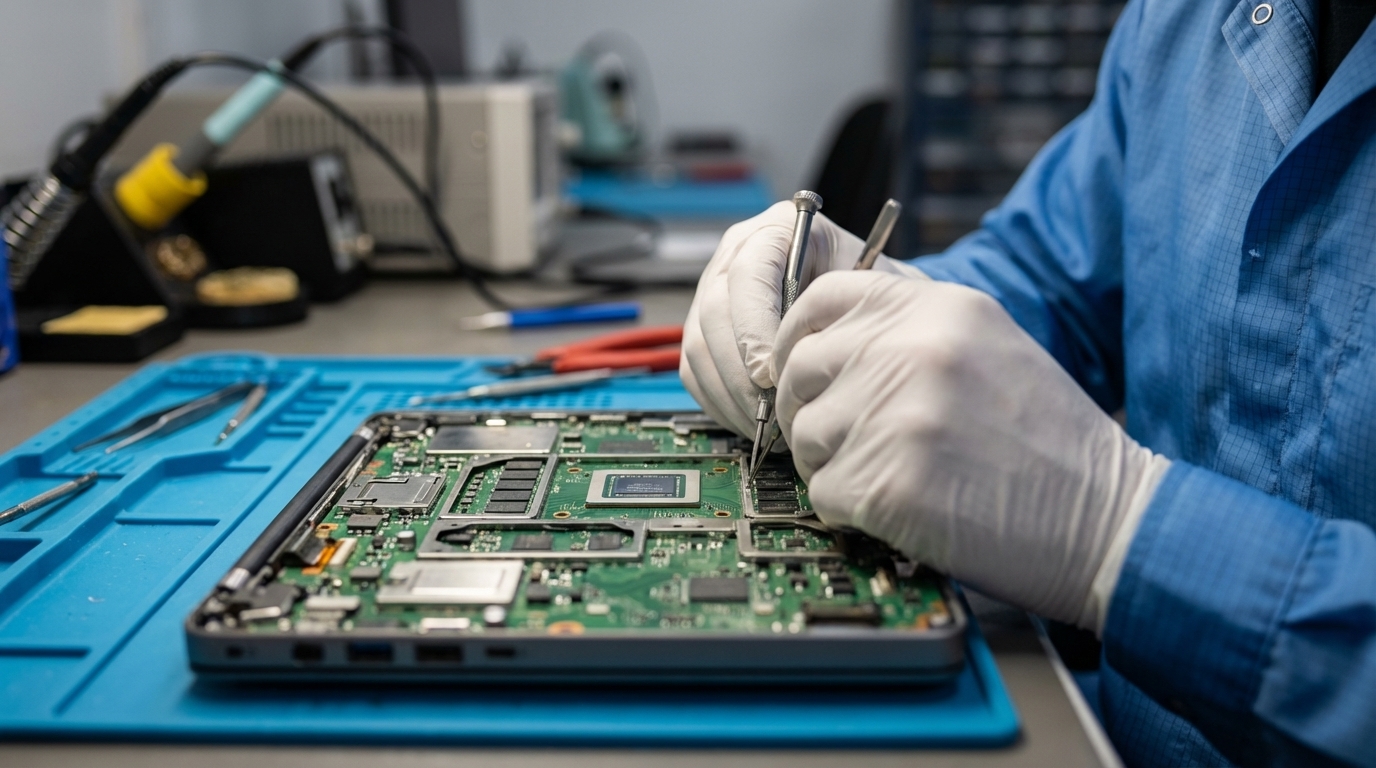
Electronics require detailed inspection to confirm functionality, cosmetic condition, and component integrity. Manual checks often create bottlenecks and inconsistent grading. A more scalable approach uses automated inspection systems with multi-spectrum lighting and X-ray imaging to standardize assessments. Standard grading criteria across all SKUs keep quality and pricing consistent. Technician training on product-specific tests further reduces variation. AI-driven condition assessment tools then process returns faster than manual methods while improving accuracy.
3. Data Security and Privacy Compliance
Returned devices frequently contain sensitive personal or corporate data that must be removed securely. Weak data sanitization exposes companies to legal, regulatory, and reputational risk. Strong programs rely on certified data destruction protocols that meet NIST standards. Secure chain-of-custody tracking documents every handoff. Automated data wiping systems support high-volume processing without sacrificing control. Detailed audit trails then provide proof of compliance for regulators and enterprise customers.
4. Lithium Battery Safety and Recycling Challenges
Global lithium-ion battery recycling rates remain near 5%, which creates both environmental and safety concerns. Devices with embedded batteries require careful handling to prevent fires and contamination. Effective programs use dedicated battery processing areas and temperature-controlled storage. Partnerships with certified battery recyclers that achieve material recovery rates around 70% improve sustainability outcomes. Ongoing staff training on lithium battery safety keeps daily operations safe and compliant.
5. Regulatory Compliance and Fee Management
New regulations increase the complexity and cost of electronics returns. Rules such as California’s SB 1215, which adds a 1.5% fee capped at $15 on products with non-removable batteries starting January 1, 2026, require precise tracking and reporting. Automated fee calculation systems reduce errors and administrative work. Detailed product classification databases support accurate assessments across large catalogs. Relationships with authorized recyclers help satisfy stewardship obligations. Continuous monitoring of regulations across all operating regions keeps programs current.
6. Returns Fraud Detection and Prevention
Fraudulent returns account for roughly 11–15% of all returns, and electronics face high exposure to component swapping and device bricking. Advanced inspection tools such as X-ray imaging and multi-spectrum lighting reveal hidden tampering. AI-powered risk scoring systems analyze customer behavior and flag suspicious patterns. Verification protocols for high-value items add another layer of control. Product authentication databases then confirm serial numbers, IMEIs, and configuration details.
7. Limited Supply Chain Visibility
Limited visibility across reverse supply chains makes coordination difficult for retailers, logistics providers, and refurbishers. End-to-end tracking systems with real-time status updates improve control from initiation through final disposition. IoT sensors monitor temperature, shock, and humidity during transit for sensitive devices. Integrated data platforms connect retailers, 3PLs, and repair centers on a single source of truth. Customer-facing portals then provide clear return status updates and reduce support calls.
8. Slow Turnaround Times
Slow processing erodes recovered value and frustrates customers. Premier facilities provide rapid induction for high-volume returned devices, faster than many competitors. Faster turnaround starts with facility placement near major markets to shorten inbound transit. Parallel processing workflows then move devices through triage, repair, and grading at the same time. Adequate staffing during peak seasons prevents backlogs. Rapid exchange programs for key business customers protect service levels even when volumes spike.
9. Inconsistent Refurbishment and Grading Standards
Inconsistent grading leads to unpredictable product quality and pricing in secondary markets. Clear grading standards that cover functionality, cosmetics, and packaging create a consistent baseline. Quality control checkpoints throughout refurbishment catch issues before resale. Technician training on these standards keeps evaluations aligned across teams and locations. Detailed documentation for each unit supports warranty decisions and buyer confidence.
10. E-Waste Regulatory Compliance
Evolving e-waste rules require careful handling and documentation for electronic components and materials. Strong programs rely on certified e-waste recyclers with verifiable practices. Material flow documentation tracks components from receipt through final disposition. Proper segregation of batteries, circuit boards, plastics, and hazardous materials supports compliant processing. Regular reviews of regulations across all jurisdictions prevent costly violations.
11. International Returns Management
Cross-border electronics returns introduce customs complexity, varied regulations, and longer transit times. Established customs brokerage relationships simplify documentation and clearance. Duty optimization strategies reduce landed costs on returned goods. Compliance with international shipping rules, especially for batteries, prevents delays and fines. Regional processing centers closer to end customers reduce cross-border movements and shorten cycle times.
12. Scalability During Peak Periods
Return volumes often surge by 25% or more after holidays, which strains processing capacity. Flexible staffing models allow operations to scale up quickly during peak windows. Automated processing systems handle volume swings without proportional labor increases. Surge capacity agreements with logistics partners keep transportation flowing. Overflow processing capabilities at additional sites prevent bottlenecks and protect service levels.
Managing International Reverse Logistics for Electronics at Scale
International electronics returns require careful planning around customs, duties, and transit times. Effective programs use experienced customs brokers and consistent documentation to avoid delays. Duty optimization strategies, such as using repair and return provisions, reduce unnecessary tax exposure. Regional processing capabilities then keep work close to end markets. Premier Logitech’s nearshore operations in Mexico provide cost-effective processing with proximity to U.S. customers, which shortens transit and can reduce duty impact on cross-border returns.
Preventing Fraud in Electronics Returns Operations
Electronics returns fraud appears as component swaps, counterfeit devices, and intentionally bricked units. Advanced tools such as X-ray imaging and multi-spectrum lighting detect tampering in high-value electronics returns. Premier Logitech combines these tools with structured verification checklists and AI-based risk assessment. This multi-layered approach has reduced fraudulent returns by about 30% for clients, while preserving a smooth experience for legitimate customers.
Why Premier Logitech Excels in High-Volume Electronics Reverse Logistics
Premier Logitech uses an integrated model that addresses all 12 challenges across the electronics returns lifecycle. High-volume processing infrastructure supports rapid turnaround, while the central DFW hub provides strong transportation access. Compliance frameworks align with TAA, NIST, and CMMC requirements for government and enterprise programs.
Our teams manage everything from RMA intake through final disposition, including secure data destruction, battery safety, and fraud controls. Recent work with a major telecom provider cut return processing costs by 30% during holiday surges while maintaining service levels. Explore a tailored reverse logistics program to see how these capabilities can support your electronics portfolio.
In-House vs. Fragmented 3PLs vs. Premier Logitech: Comparing Reverse Logistics Models
The model you choose for electronics returns directly affects cost, speed, and compliance. In-house teams, fragmented 3PL networks, and integrated partners deliver very different outcomes. The comparison below highlights how each approach performs across cost savings, turnaround time, and compliance capabilities.
| Model | Cost Savings | Turnaround Time | Compliance Capabilities |
|---|---|---|---|
| In-House Operations | Higher labor costs | Longer processing times | Limited certifications |
| Fragmented 3PLs | Moderate savings | Moderate processing times | Partial compliance |
| Premier Logitech | 20–30% cost reduction | Rapid turnaround | TAA, NIST, CMMC certified |
2026 Trends in Electronics Returns: AI, Automation, and E-Waste Rules
Reverse logistics for electronics is shifting quickly as AI and automation move into core workflows. AI-powered triage and inspection tools shorten processing times and increase recovered value per unit. At the same time, new battery fees and e-waste regulations raise the bar for compliance and reporting. Automation technologies help teams scale during peak seasons without equal increases in labor. Premier Logitech’s technology stack supports early adoption of AI triage and automated processing so clients stay ahead of these 2026 trends.
FAQ
What reverse logistics services handle high-volume electronics returns?
High-volume electronics programs typically include RMA management, depot repair, secure data destruction, battery safety protocols, fraud prevention, and secondary market redistribution. Premier Logitech delivers end-to-end coverage across these services through an integrated platform that processes more than 40,000 repairs weekly across 20+ OEM Authorized Service Centers with full compliance certifications.
How do you recycle electronics in reverse logistics?
Electronics recycling in reverse logistics relies on structured component separation and certified material recovery. Core steps include secure data destruction, battery removal and specialized recycling, precious metal recovery from circuit boards, and processing of plastics and other materials. Certified recyclers achieve material recovery rates around 70%, which supports both sustainability and regulatory goals.
What are the main cost drivers in electronics reverse logistics?
Key cost drivers include technical labor for inspection and repair, secure data destruction, battery safety measures, fraud controls, and rapid depreciation of inventory. Processing costs often range from $15 to $50 per unit depending on complexity and required services. Well-designed operations can cut these costs by 20–30% through automation, scale, and better facility placement.
How can manufacturers reduce return processing times?
Manufacturers reduce processing times by placing facilities near major markets, using automated triage, and designing parallel workflows. Adequate staffing during peak periods prevents backlogs. AI inspection systems can trim manual processing time by about 40%. Integrated logistics networks then move devices between collection points and repair centers faster than typical industry models.
What compliance requirements affect electronics reverse logistics?
Electronics reverse logistics must address data security standards such as NIST and CMMC, environmental rules for battery disposal, e-waste recycling regulations, and international shipping requirements for cross-border returns. Emerging fee structures like California’s SB 1215 also affect pricing and reporting. Certified processes, detailed documentation, and regular audits keep programs aligned with these obligations.
Conclusion: Turning Electronics Returns into a Strategic Advantage
High-volume electronics returns present 12 core challenges that require coordinated, technology-driven solutions. Escalating costs, complex compliance rules, and rising fraud rates all pressure margins and service levels. Premier Logitech’s integrated approach delivers 20–30% cost reductions while supporting rapid turnaround and strong regulatory compliance.
Success in 2026 comes from replacing fragmented processes with unified platforms that combine AI automation, specialized expertise, and scalable capacity. Many organizations now treat reverse logistics as a value recovery engine rather than a pure cost center. Schedule a consultation to transform your returns operations and see how Premier Logitech can unlock savings, protect compliance, and improve customer satisfaction.
